


Program Overview
Driving automation is one of the major transportation industry trends of this decade. Through close collaboration and monitoring of current industry and academic technology innovators and leaders in automation the ITS JPO continues the pursuit of an automation program that will support the safe deployment of an automated future. Advanced Driver Assistance Systems (ADAS) with automation of lateral or longitudinal controls are widely available in passenger vehicles, although their development and refinement continue. Automated Driving System (ADS)-equipped vehicles are being piloted in passenger vehicles, commercial motor vehicles, and transit buses.
While driving automation research has been, to some degree, mainstreamed across the Department's Operating Administrations, research needs are evolving alongside the technology. The technological and practical challenges of translating research breakthroughs into daily transportation are significant and often are not fully understood at the outset. Many foundational questions around ADS and ADAS may not be resolved until more and better data are available.
The ITS JPO Automation Program's collaborative and multi-modal research portfolio provides cross-cutting support across the U.S. DOT with the following strategies:
Research Strategies
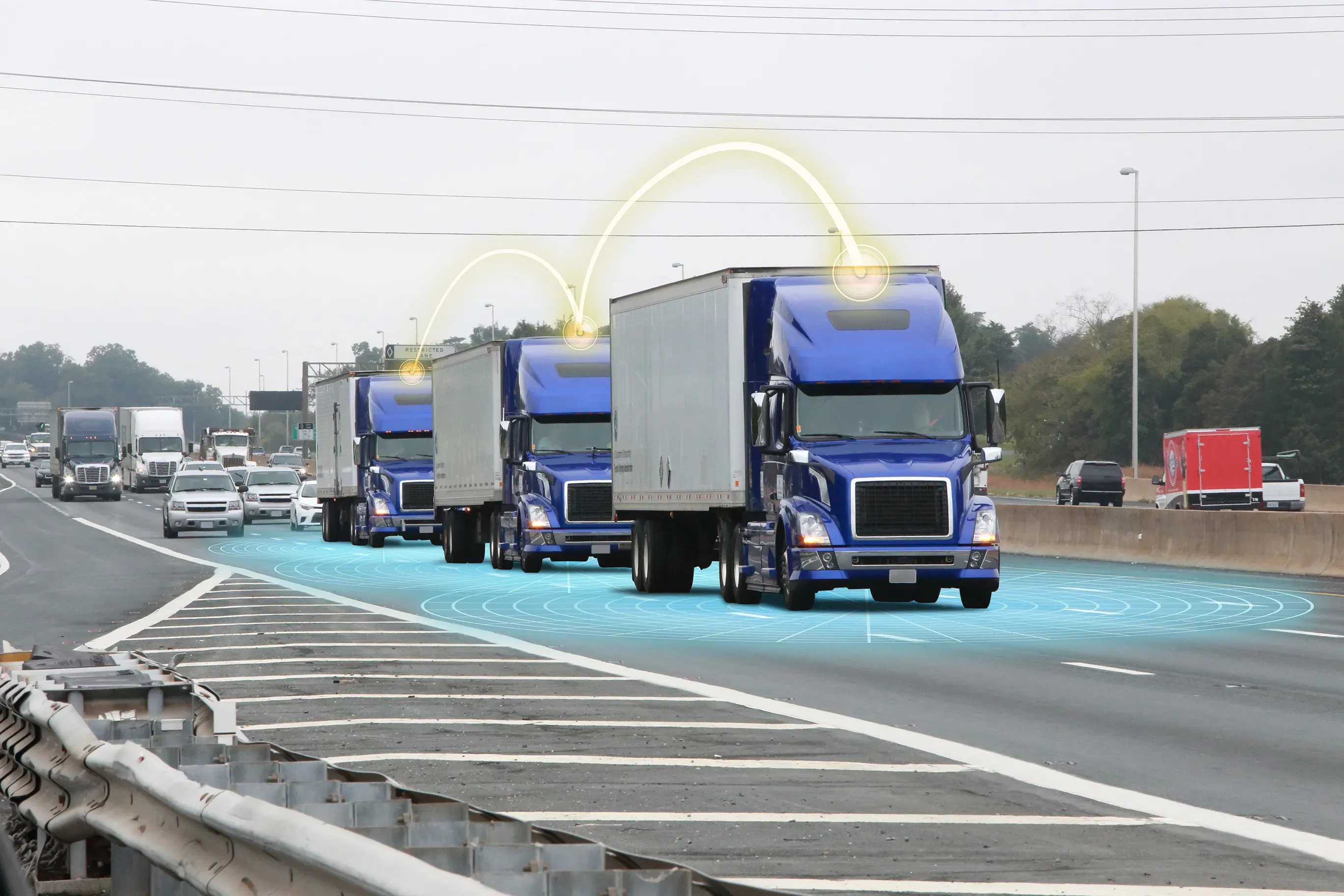
Applications of Vehicle Automation Technologies
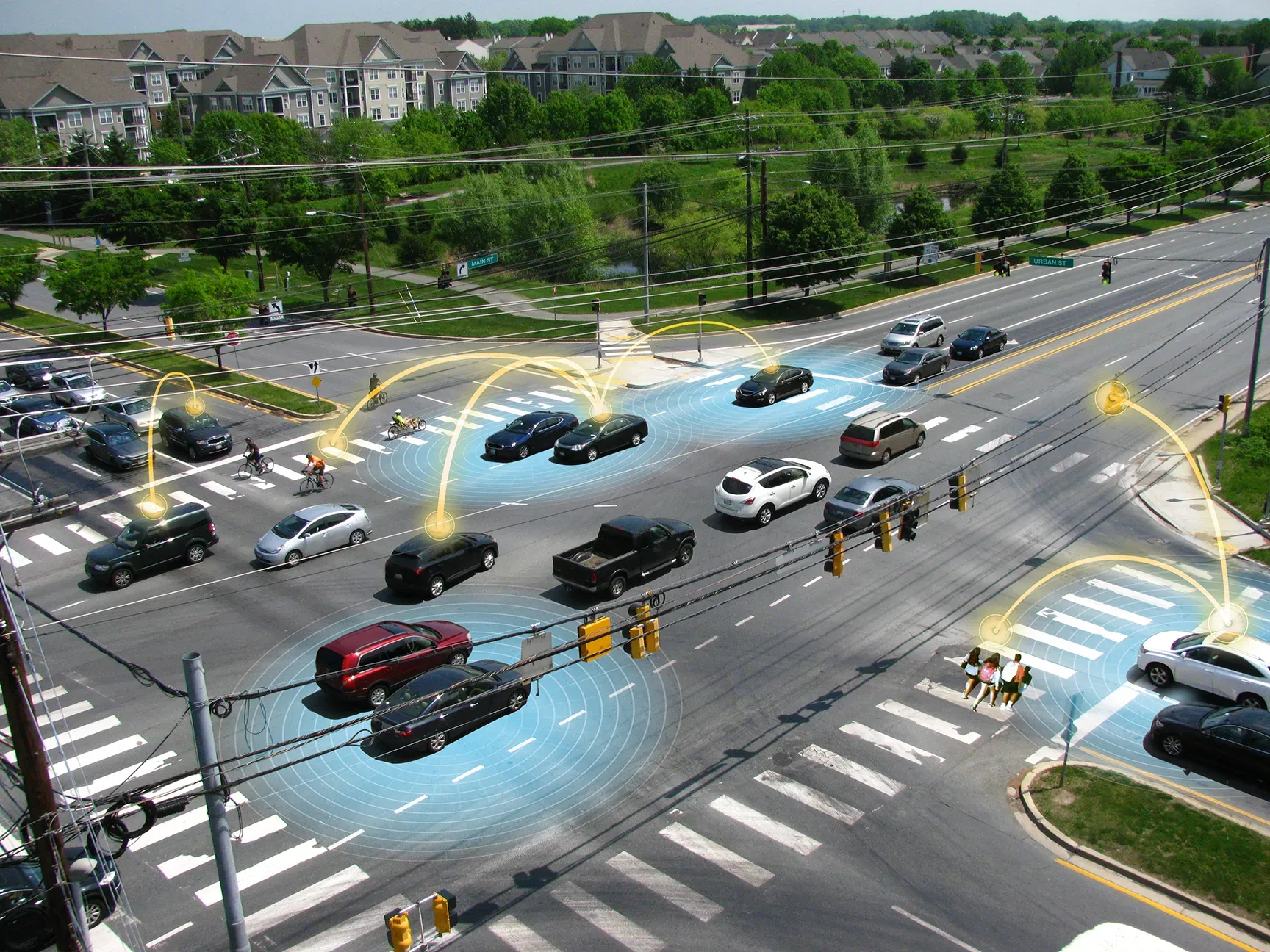
Research potential applications of vehicle automation technologies to achieve safety, mobility, and efficiency benefits through advanced wireless communications and interactions with interoperable connectivity and develop supporting standards and assessment tools to enable private and public sector deployment.
Analysis, Modeling, and Simulation (AMS) Capabilities
Collaborate with stakeholders to document and prioritize Analysis, Modeling and Simulation (AMS) capabilities for ITS, conduct research and development to enhance these capabilities, and provide resources to support their understanding and use.
Human Interactions
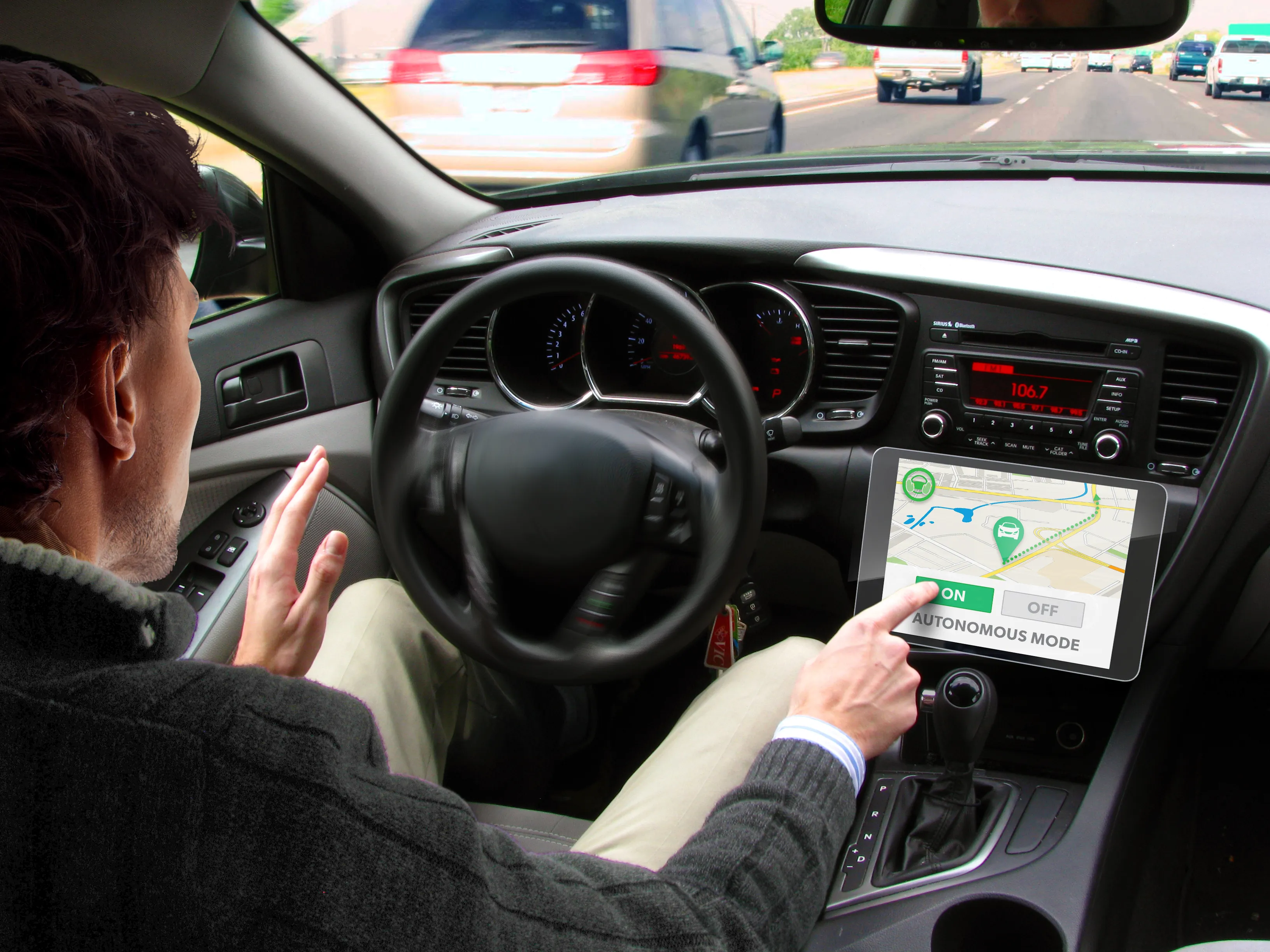
Study human interactions with vehicle automation technologies to identify potential mismatches and best practices for realizing safe and effective automation operations for all users in the roadway environment.
Automated Driving Systems (ADS) Technologies
Identify challenges/issues that can negatively impact safe and efficient integration of Automated Driving System (ADS) technologies, such as lack of AV preparedness, limited understanding of ADS use cases that can maximize benefits, and not-well-understood ADS capabilities/safety protocols that vary between manufacturers and across Operational Design Domains (ODDs).





Program Roadmap
In collaboration with the Operating Administrations, ITS JPO prioritized near-term research focus areas to directly address strategies stated above, and achieve desired outcomes across four current focus areas: